If your pool needs work, you face a decision: renovate what you have or tear it out and start over?
For some pools, renovation is the clear answer. For others, new construction makes more sense financially and functionally. And for many pools, the answer falls somewhere in between, requiring careful evaluation of costs, conditions, and your goals.
Understanding what factors make renovation viable versus when new construction is the better investment helps you make an informed decision.
When Renovation Makes Perfect Sense
Structurally Sound Pool with Cosmetic Issues
If your pool’s shell is in good condition without significant cracking, your plumbing doesn’t leak, and your main concerns are outdated finishes or worn surfaces, renovation is typically the right choice.
Resurfacing the interior, updating tile and coping, refreshing the deck, and replacing old equipment transforms the pool’s appearance and function at a fraction of new construction cost.
Recent Construction with Specific Problems
Pools built within the last 10-15 years that have isolated issues (failed surface finish, outdated equipment, tired tile) are usually good renovation candidates.
The underlying structure likely has decades of life remaining. Addressing specific problems through targeted renovation makes economic sense.
Good Design and Layout
If you love your pool’s size, shape, and location on your property, renovation preserves what works while updating what doesn’t.
New construction means redesigning everything, which is unnecessary if the current design serves you well.
Budget Constraints
Renovation typically costs 40-60% (or more) of new construction for comparable scope. If budget is a primary concern and your pool’s structure is sound, renovation delivers significant improvement at lower cost.
Limited Access
Properties with restricted access (narrow gates, mature landscaping, structures blocking equipment access) make demolition and new construction more complex and expensive.
Renovation works within existing constraints without requiring the heavy equipment access that new construction demands.
When New Construction Makes More Sense
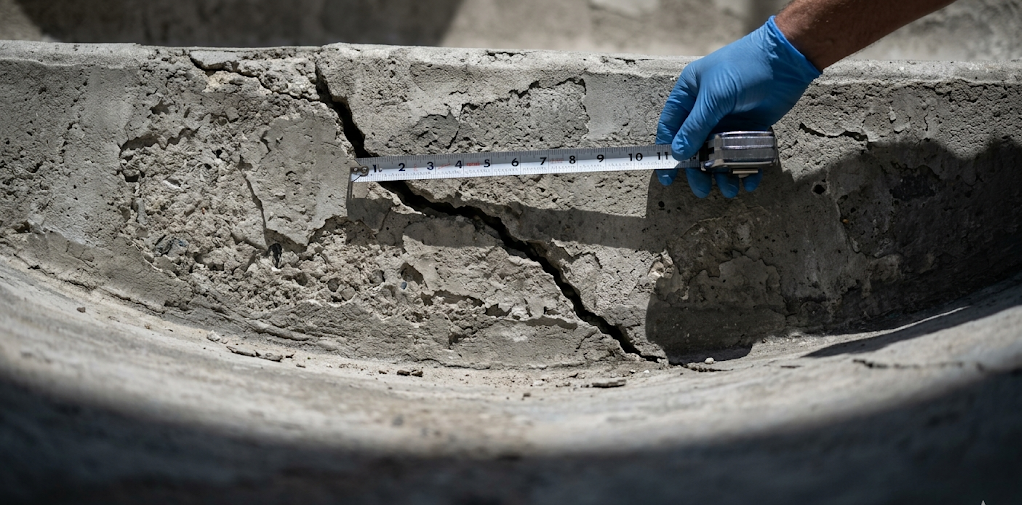
Significant Structural Problems
Major cracking, shell delamination, or structural failure can’t be fixed with surface renovation. If the shell itself is compromised, you’re likely looking at costs approaching or exceeding new construction.
Attempting to salvage a structurally failing pool often results in ongoing problems and repeated repairs that ultimately cost more than building new.
Extensive Plumbing Issues
If plumbing under your deck is leaking in multiple locations, or if the entire plumbing system needs replacement, the cost to excavate, replace plumbing, and repair decking approaches new construction costs.
At that point, you’re paying for extensive demolition and reconstruction anyway. Building new gives you a completely updated pool rather than a renovated one with old structure.
Wrong Size or Shape
If your pool doesn’t fit how you use your outdoor space (too large, too small, wrong shape for your lot), renovation can’t fix this.
You can update finishes and equipment, but you’ll still have a pool that doesn’t serve your needs. New construction lets you design the right pool for your property and lifestyle.
Depth Issues
Changing pool depth requires structural modification that’s often not feasible. If your pool is too deep or too shallow for your needs, new construction is typically the only solution.
Outdated Design That Limits Function
Older pools sometimes have designs that don’t accommodate modern features you want to add. No shallow lounging areas, inadequate bench seating, or configurations that prevent adding an attached spa all limit what renovation can achieve.
If your vision requires significant structural changes, new construction gives you what you want rather than working around limitations.
Very Old Pools with Multiple Issues
Pools 30, 40, or 50+ years old often have accumulated problems: outdated plumbing prone to leaks, shell issues in multiple areas, obsolete equipment, and failing decking.
When multiple major systems all need replacement simultaneously, the cost difference between comprehensive renovation and new construction narrows significantly. New construction often provides better long-term value.
Evaluating Your Pool’s Condition
Making the right decision requires honestly assessing your pool’s current state.
Shell Condition Assessment
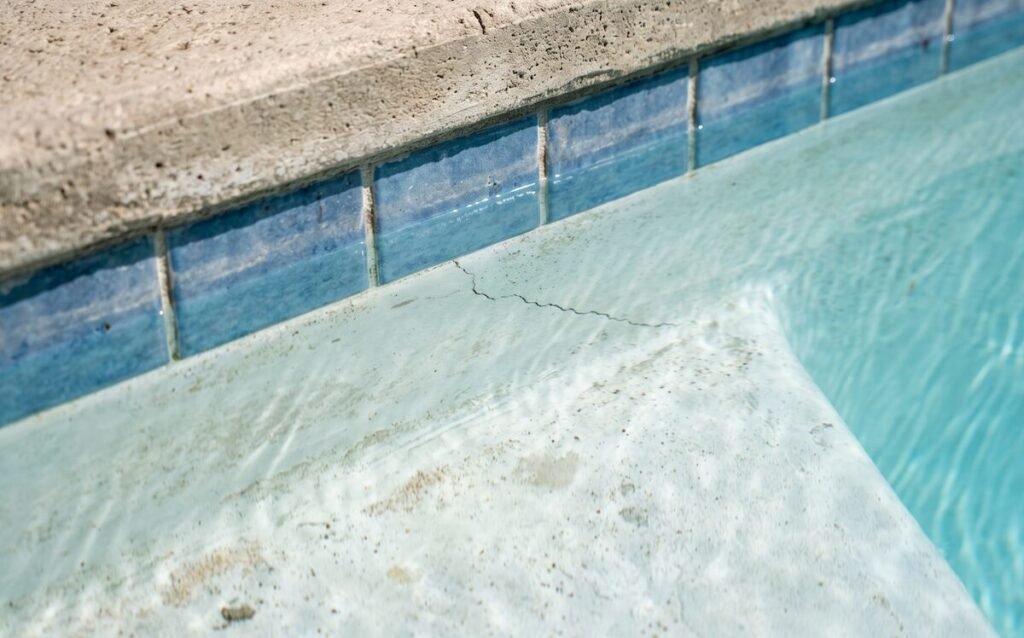
Minor Surface Cracks: Small hairline cracks in plaster or surface finish are normal and don’t indicate structural problems. These are addressed during resurfacing.
Structural Cracks: Wide cracks, cracks that go through the shell, or cracks that reappear after repair indicate structural issues. Have a qualified pool professional or structural engineer evaluate significant cracking.
Delamination: If plaster or finish is separating from the shell in large areas, this indicates bonding failure. Extensive delamination adds cost to renovation since all loose material must be removed before resurfacing.
Plumbing Assessment
Visible Leaks: If you’re constantly adding water beyond normal evaporation, you likely have plumbing leaks. The question is where and how extensive.
Leak Detection: Professional leak detection identifies problem locations. If leaks are limited to specific accessible areas, targeted repairs might be feasible.
If leaks are widespread or located under decking, replacement rather than repair often makes more sense.
Old Plumbing Materials: Pools built before the 1990s often used rigid PVC or metal plumbing that’s more prone to failure. If your plumbing is original and showing problems, expect more failures over time.
Equipment Evaluation
Equipment has defined lifespans regardless of pool condition:
- Pumps: 4-8 years
- Heaters: 7-10 years
- Filters: 3-6 years
- Automation Systems: 10-15 years
If your equipment is approaching or exceeding these ages, budget for replacement as part of renovation or factor this into the cost comparison with new construction.
Deck Condition
Surface Cracks: Cosmetic cracks in concrete can be addressed during renovation with resurfacing or overlays.
Structural Issues: Decking that’s settled, pulled away from the pool, or developed significant heaving indicates problems that require more extensive repair or replacement.
Extensive deck work adds significantly to renovation cost. Factor this into your decision-making.
Cost Comparison
Understanding relative costs helps frame your decision.
Typical Renovation Costs
Basic Surface Renovation: Replaster or refinish interior, basic equipment updates: $15,000-$30,000
Comprehensive Surface Renovation: Refinish interior, new tile and coping, equipment upgrades: $30,000-$60,000
Extensive Renovation: Everything above plus deck replacement or upgrade, plumbing repairs, major equipment upgrades: $50,000-$100,000+
Typical New Construction Costs
Basic New Pool: Standard size and design: $75,000-$120,000
Mid-Range Custom Pool: Custom design with standard features: $120,000-$180,000
High-End Custom Pool: Complex design, premium features, elevated construction: $180,000-$250,000+
These ranges vary based on specific circumstances, but they illustrate the typical cost relationship.
The Break-Even Analysis
When renovation costs approach 70-80% of new construction costs, new construction often provides better value.
At that point, you’re paying most of the cost of a new pool but keeping an old structure with potential for future problems. Building new gives you a completely updated pool with modern design, new plumbing, new equipment, and decades of expected service life.
Non-Financial Considerations
Disruption and Timeline
Renovation typically takes 4-8+ weeks depending on scope. New construction takes 3-4 months after permits.
If minimizing disruption is important, renovation’s shorter timeline might be valuable even if costs are similar.
Emotional Attachment
Some homeowners have emotional attachment to their existing pool. Children grew up swimming in it, or it holds significant memories.
This emotional value is real and valid. If keeping the existing pool matters beyond pure economics, that’s a legitimate factor in your decision.
Property Plans
If you’re planning to sell within a few years, renovation that improves appearance and function might be sufficient.
If you plan to stay long-term, new construction designed exactly how you want it provides more value over decades of use.
Design Goals
If your vision involves significant changes (adding spa, changing shape, altering depth), these might not be feasible through renovation.
Be clear about your goals before deciding. Don’t renovate only to be disappointed that it didn’t achieve what you wanted.
Getting Professional Assessment
Making this decision requires accurate information about your pool’s condition and realistic cost estimates for both options.
Pool Inspection
Have a qualified pool professional thoroughly inspect your pool, including:
- Shell condition assessment
- Leak detection if water loss is suspected
- Plumbing evaluation
- Equipment condition
- Structural integrity review
This inspection provides the foundation for informed decision-making.
Cost Estimates
Get detailed estimates for renovation and new construction so you can compare accurately.
Renovation estimates should include all necessary work, not just cosmetic updates. New construction estimates should reflect comparable pool size and features to your current pool.
Engineering Review (If Needed)
For older pools or those with significant cracking, consider having a structural engineer evaluate the shell. Their assessment determines whether structural issues can be addressed or require replacement.
Decision Framework
Choose Renovation If:
- Shell is structurally sound
- Plumbing is intact or problems are limited and accessible
- You like your current pool size, shape, and location
- Your goals are cosmetic updates and equipment modernization
- Budget is a primary concern
- Renovation costs 60% or less of new construction
Choose New Construction If:
- Shell has significant structural problems
- Plumbing needs complete replacement
- You want different size, shape, or depth
- Multiple major systems need replacement simultaneously
- Renovation costs approach 70-80% of new construction
- You want modern design features not compatible with existing structure
Get More Information If:
- You’re unsure about shell condition
- Cost estimates vary widely between contractors
- You’re unclear whether your goals can be achieved through renovation
- Structural concerns exist but haven’t been professionally evaluated
Questions to Ask Contractors
When discussing renovation versus new construction, ask:
About Assessment:
- Based on my pool’s condition, which makes more sense and why?
- What specific problems does my pool have that affect this decision?
About Long-Term Value:
- If I renovate, what should I expect in terms of future repairs or issues?
- What’s the realistic cost difference between comprehensive renovation and new construction for my property?
About Experience:
- Can you show me examples of similar pools where you’ve done both renovation and new construction?
Contractors experienced with both renovation and new construction can provide objective assessment rather than pushing whatever service they prefer to provide.
Frequently Asked Questions
How much does pool renovation cost compared to new construction?
Renovation typically costs 40-60% of comparable new construction. Basic surface renovation runs $15,000-$30,000, comprehensive renovation $30,000-$50,000, and extensive renovation $50,000-$100,000+. New construction ranges from $75,000-$250,000+ depending on size and features. When renovation exceeds 70-80% of new construction cost, building new often provides better value.
Can I change my pool’s size or shape through renovation?
No. Renovation works within your existing pool structure. You can update finishes, tile, coping, equipment, and decking, but the pool’s footprint, shape, and depth remain the same. If you want a different size or shape, new construction is required.
How do I know if my pool shell is structurally sound?
Look for wide cracks, cracks that go through the shell, or cracks that reappear after repair. These indicate structural issues. Have a qualified pool professional or structural engineer evaluate significant cracking. Minor hairline cracks in surface finish are normal and don’t indicate structural problems.
What if my pool has both cosmetic and structural issues?
If structural issues are minor and can be addressed during renovation, it may still make sense financially. If structural problems are significant or widespread, costs quickly approach new construction levels. Get professional assessment to understand the extent of structural issues and repair costs.
How long will a renovated pool last?
A properly renovated pool with a sound shell can last 20-30+ years before needing another major renovation. New interior finishes last 10-25 years depending on material. Equipment lasts 8-15 years. If the underlying structure is good, renovation provides decades of additional service.
Is renovation faster than new construction?
Yes. Renovation typically takes 4-8 weeks depending on scope. New construction takes 3-6 months after permits are approved. If timeline is a major concern and your pool is a good renovation candidate, this can be a deciding factor.
Can I add a spa to my existing pool through renovation?
Adding an integrated spa to an existing pool is extremely difficult and expensive, often approaching or exceeding new construction costs. It requires significant structural work, plumbing changes, and deck reconstruction. If adding a spa is important, new construction is usually the better option.
What if I’m planning to sell my home soon?
For near-term sale, renovation that improves appearance and function is usually sufficient and more cost-effective. New construction provides better long-term value if you’re planning to stay 10+ years. Consider what buyers in your market expect and what provides the best return on investment.
What to Expect from Coastal Custom Pool & Spa
We’ve completed hundreds of renovations and new builds throughout Naples, Fort Myers, Sanibel, and Captiva over 30 years. We provide honest assessment of what your pool needs and help you make the decision that best serves your situation.
Our evaluation process includes:
- Thorough inspection of shell, plumbing, equipment, and deck
- Honest assessment of structural condition
- Detailed cost estimates for both renovation and new construction options
- Clear explanation of what each option provides long-term
We don’t push one option over another. We help you understand your pool’s condition and make the choice that fits your goals and budget.
Ready to Evaluate Your Options?
Schedule a free pool inspection and consultation where we’ll assess your pool’s condition, discuss your goals, and provide accurate cost estimates for both renovation and new construction.
Whether you need a renovation or a new build, we handle both. Explore our Naples pool remodeling and custom pool construction in Naples services. We also serve Fort Myers and the surrounding Southwest Florida area. Talk to our team to figure out the right path for your project.
Call us at (239) 437-3636 or schedule your consultation online.